Case study

More Performance Without Capital Spend

  • Consultancy
  • Design
  • Engineering
  • Steam (Boilers)
More Performance Without Capital Spend
At a glance
  • £30,000 in annual energy savings
  • 438,000 kWh of electricity saved per year
  • 230 tonnes of CO₂ emissions avoided annually
  • Zero capital expenditure on new equipment
  • Improved system resilience and lifecycle performance

Project overview

Why We Were Brought In

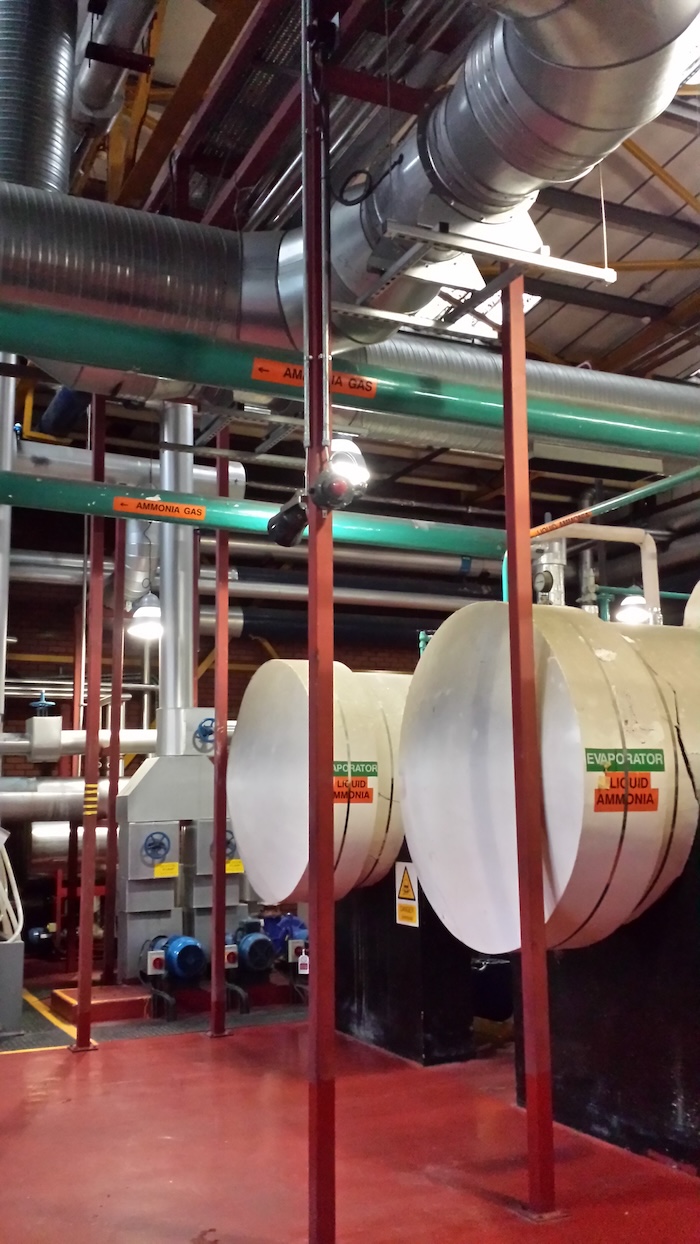
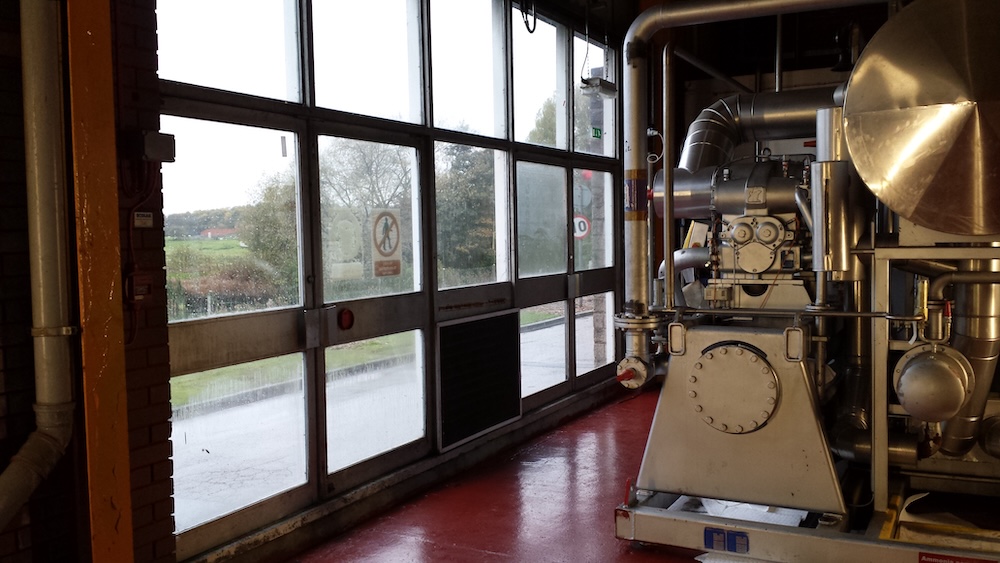
At one of the client’s key UK manufacturing sites, chiller plays a critical role in supporting product packaging operations. The site team had observed signs of limited cooling capacity during peak production periods, raising concerns about system reliability and future scalability. In response, they had allocated a budget for the installation of additional chilling plants to safeguard output and maintain compliance with operational standards.

However, before proceeding with a significant capital investment, the client engaged us to provide an independent, technically robust assessment. They were looking for clarity: was new equipment truly necessary, or could performance be improved through smarter use of existing assets? Our role was to bring that clarity, grounded in data, operational insight, and a deep understanding of energy systems.


What We Discovered

Our investigation revealed that the existing chiller system could meet current demand, but it wasn’t being used to its full potential. The issue wasn’t the equipment itself, but how it was being controlled. Outdated logic and inefficient sequencing were limiting performance.

“The energy savings and low capital cost on this project were achieved through understanding the client’s requirements and process.”

– Project Manager, Projective

Solution Summary

438 MWh

Electricity saved per year

£30,000

Annual saving cost

230 tonnes

CO₂ emissions avoided per year

How We Responded

We took a whole-system view of the site’s energy use and cooling demand. Using our energy modelling tools, we identified that with targeted mechanical upgrades and a revised control strategy, the existing system could be optimised to deliver the required performance, without the need for new plant.

Key actions included:

  • Redesigning the control philosophy to enable chillers to respond dynamically to real-time demand
  • Introducing automation to reduce manual intervention and improve consistency
  • Implementing mechanical enhancements to support more efficient operation
  • Ensuring all changes aligned with compliance and operational standards


What We Delivered

  • A smarter, demand-led control system that reduced energy waste
  • Fewer chillers operating simultaneously, improving efficiency and reducing wear
  • A clear pathway to decommission older, less efficient chillers in future
  • A 25% increase in overall plant performance
  • No disruption to operations or production schedules

Why It Matters

This project shows the value of looking deeper before investing more. By optimising existing assets, we helped the client avoid unnecessary spend, reduce emissions, and improve operational efficiency, delivering a more resilient, compliant, and future-ready system.

Read more

Learn more about this case study and download it as a PDF file with more details.

Download PDF
Return to All Insights
Message here